

.
I’m Vos De Vos, aka Eric De Vos (not to be confused with the Rico Zoroh bandleader), guitarist and composer.
Project 11 Prime is my first major composition project. It came to life thanks to the encouragement of my guitar teacher Gie Dornheim. Without him, I wouldn’t be where I am today.
Besides, it’s never too late to make a fool of yourself—and nothing ventured, nothing gained, right?
.
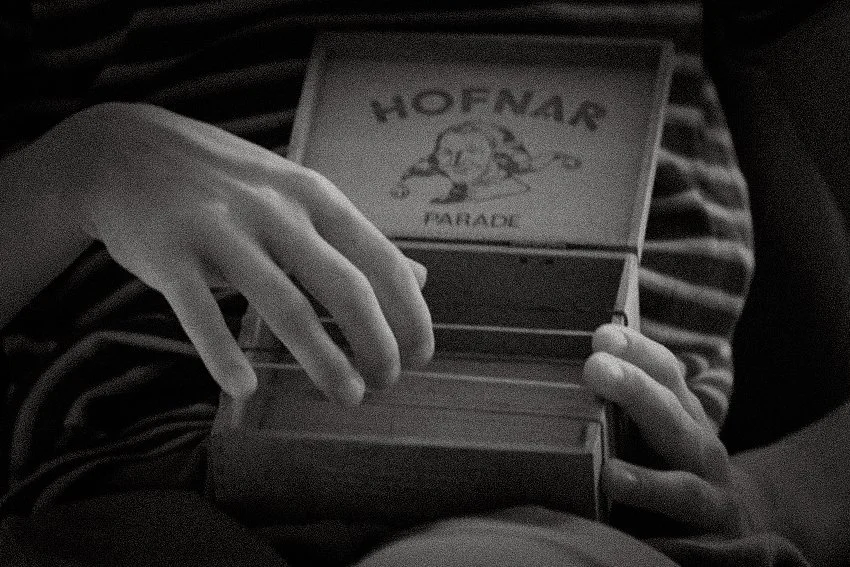
The spark was there from the start. Here’s my younger self, completely focused, strumming a wooden cigar box with elastic bands stretched across it. I am fascinated by how the tension changes the pitch. I am too young to realize what that says about me, but the memory stuck.
.
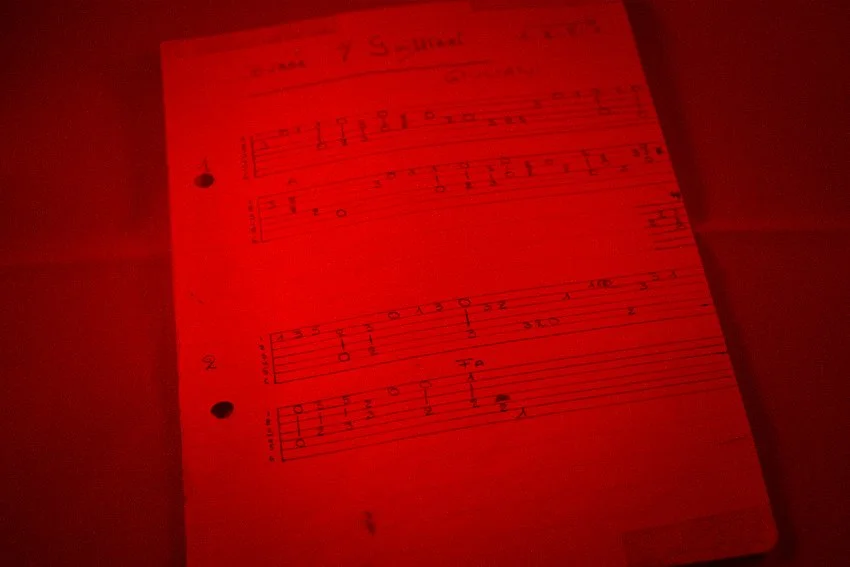
I'm 15. At the boarding school where I go, a fellow student brings a guitar. The evening study has just ended and we are allowed to relax for an hour. I am mesmerised by his playing, probably something along the lines of 'Blowing in the Wind', but it can also be a Mauro Giuliani composition. I ask if I can give it a try, and when I strum the strings, something magical happens. Instant crush. Less than a month later, I empty my savings to buy a guitar of my own.
.
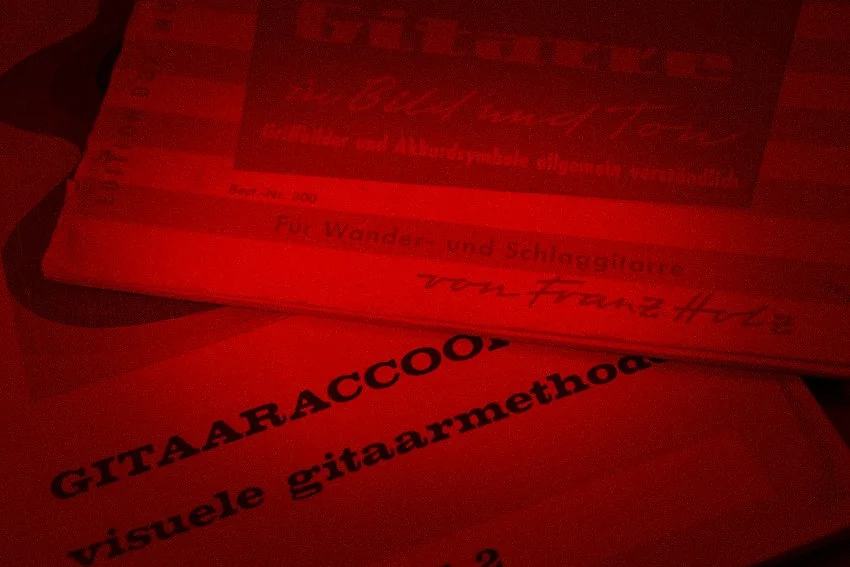
Coming from a working-class family, the idea of "studying" music isn't really on the radar. So I stick to simple chords, learned from guitar-for-beginners books. Popular songs with chords or tablatures are readily distributed among friends (m/f) who also have a guitar (though not musically trained either). It is fun to play together, but the quality is … questionable.
.
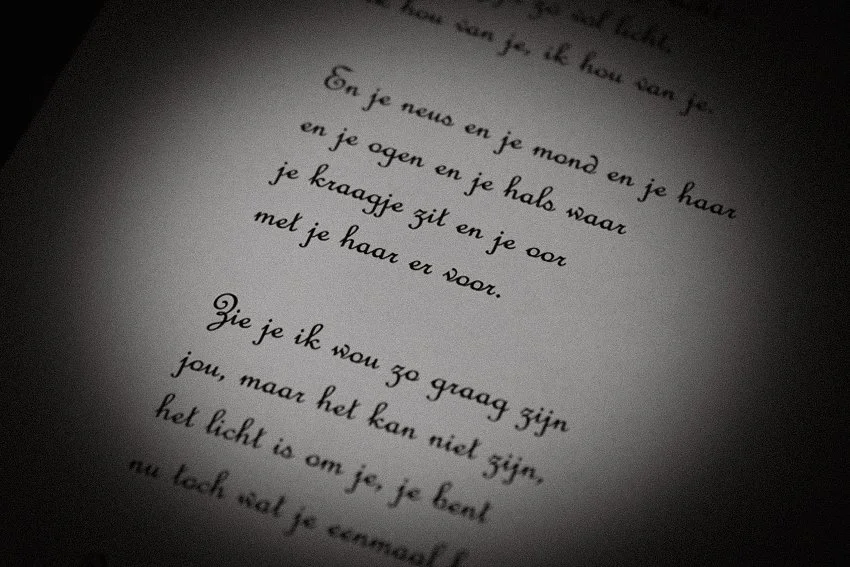
These are my “chocolate box” romantic years and in a fit of teenage hubris I set a famous Dutch poem by Herman Gorter to music. I'm probably not the first and certainly not the last (there's a jazz version of it out there!), but it's a creditable effort for a 17 year old. My other creations of that time bear witness to typical clichés, but the songwriter is born and – let's stay positive – it is a learning experience, but one without teachers to correct me.
.
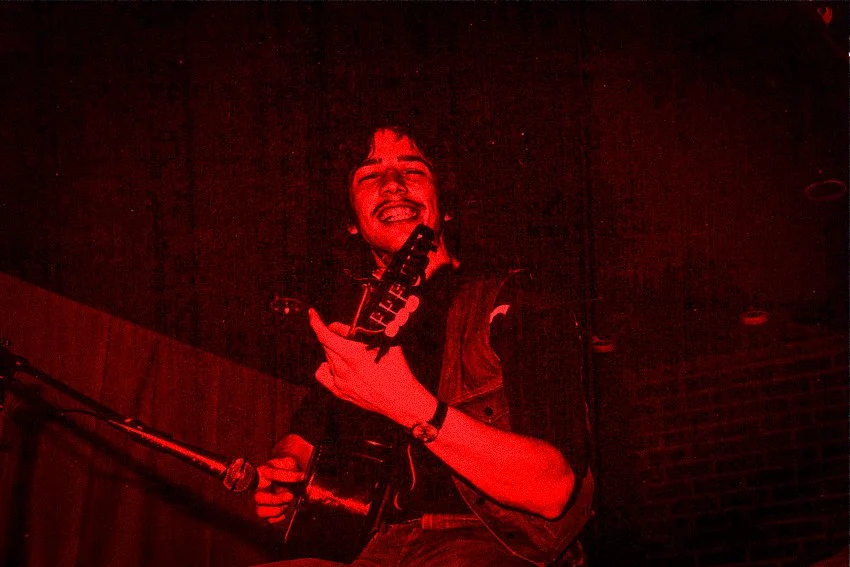
Fast forward to my higher education years. New friends mean broader musical horizons. There are open mikes in the safe environment of student houses and youth clubs. We experiment with genres, instruments (can you combine an electric guitar with a recorder?) and new songs. Sometimes we get applause, sometimes we fail, but we don’t stop playing.
.
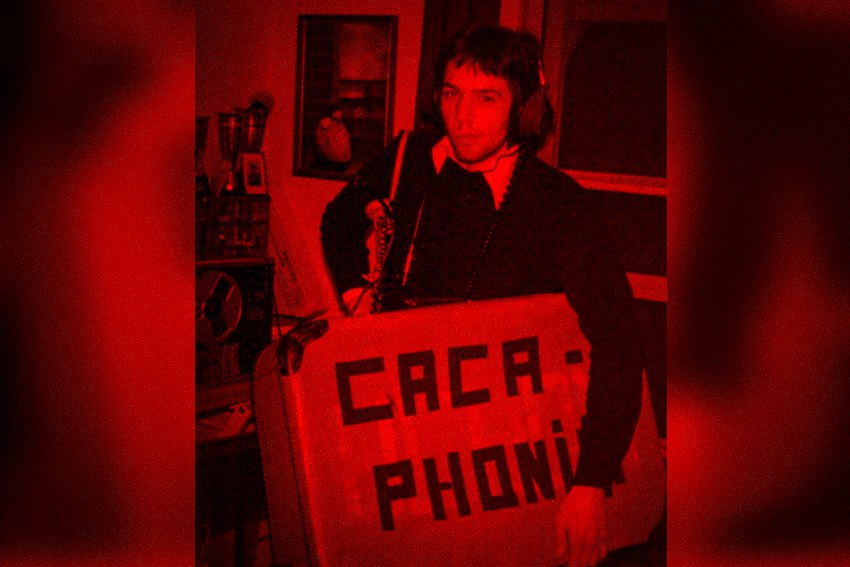
A concept, some instruments and a lot of enthusiasm. That's all you need for a first 'big' project. And, I’d almost forget: a multi-track recorder! The machine opens up the world of overdubs. For three days a friend, a female singer and I lock ourselves in a room. We write songs about typical 19-year-old concerns: love, sex and the undesirable consequences of the latter. The amateurism is obvious, but we cover ourselves with self-mockery by calling our band Cacaphonia.
.
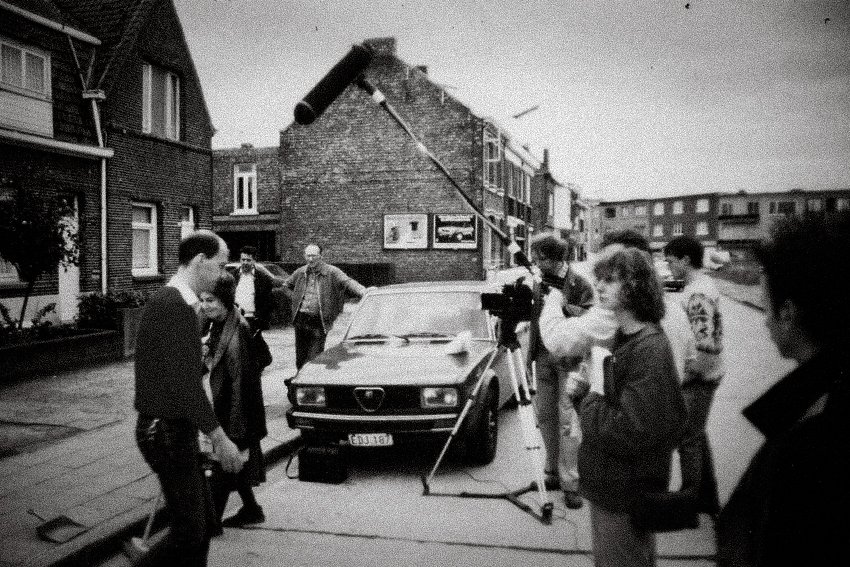
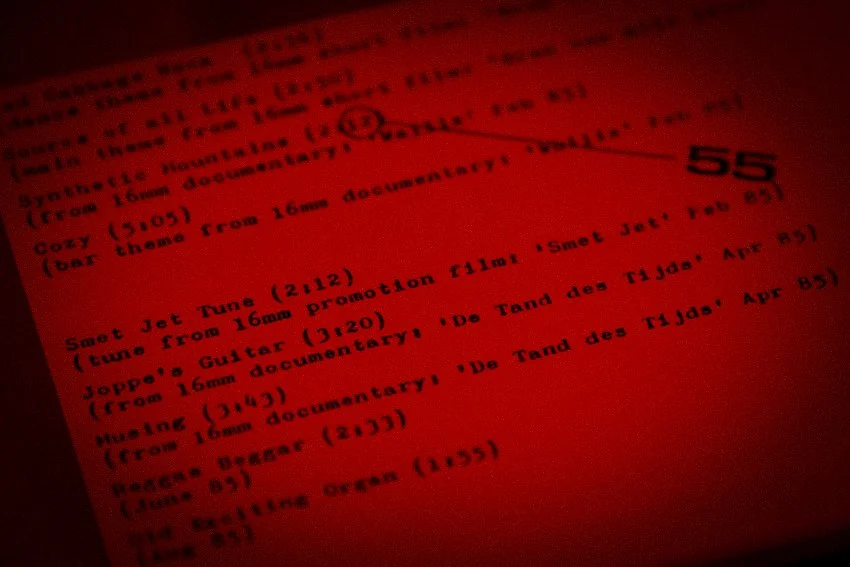
A few years later, I am in my early twenties, fresh into my first real job. Someone asks me to score a short film, Bron Van Alle Leven, starring the then unknown comedian named Jacques Vermeire. I get to work with my new TEAC 3440, a 4-track multitrack recorder, my guitars and a monophonic synthesizer. Guitars and synths sound good together. The filmmakers are enthusiastic about the music, the film wins a top prize in some competition, and I end up being interviewed on Belgian national television. Granted, it is a late-night slot when everyone is asleep, but hey – my music made it to the screen!
.
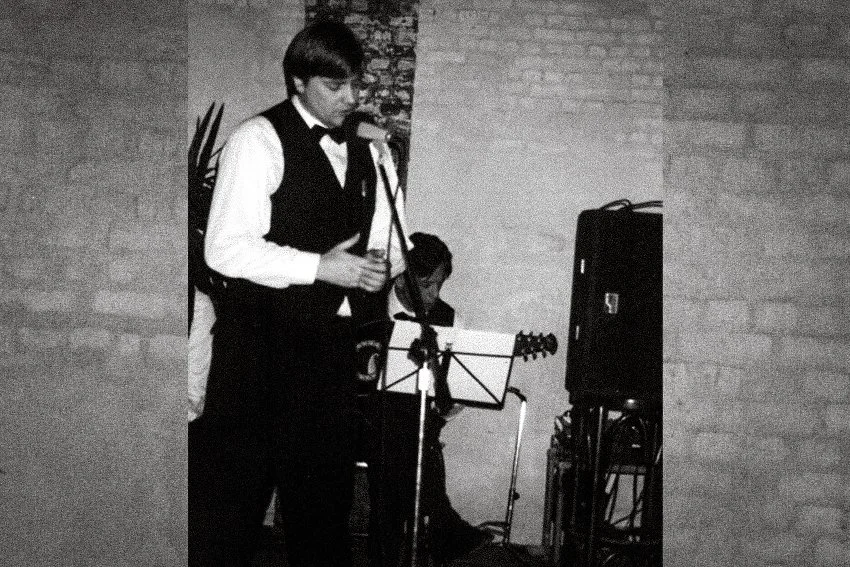
After that first short film, (moderately) paid assignments for documentaries and commercial clips for trade fairs follow. I get briefs such as: 'make it sound like Vangelis in Blade Runner, but for a snowy mountainous landscape'. However my limited technical knowledge and modest instrumentation have become a hurdle and after a while, the orders fail to arrive. In the meantime, my job in communications is taking up more and more time and energy.
.
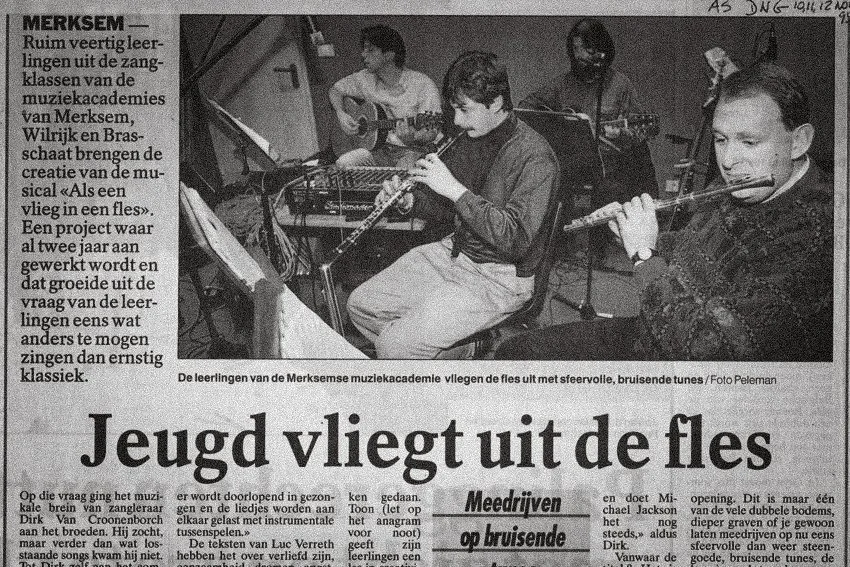
Yet I continue to make music. With a friend, also a guitarist, we form a duo that performs from time to time. We often play our own tunes. And we create or cover songs for a local theatre ensemble “Het Nieuwe Fatsoen”, which we perform live during the performances.
.
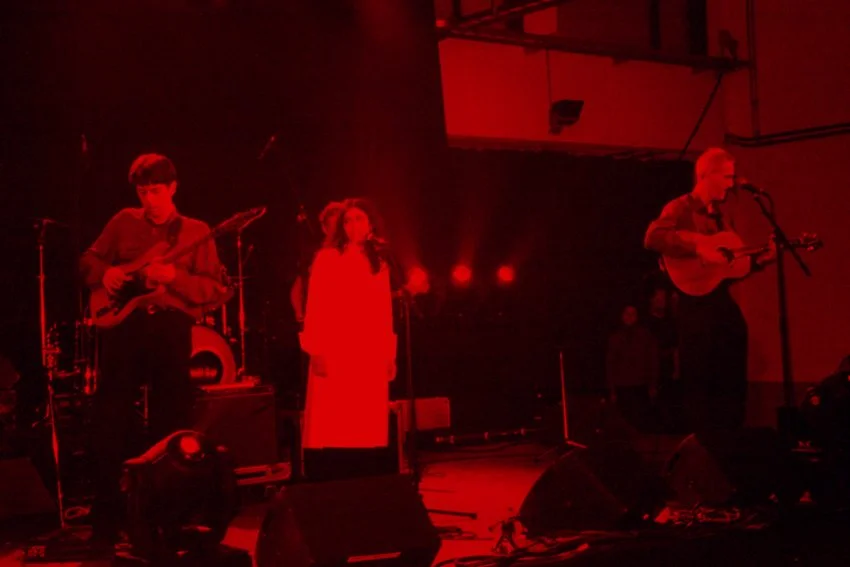
At some time I get the opportunity to play as a guitarist in the live band of a musical together with professional musicians. It is an unforgettable experience. A lucky bonus: one of the singers in the musical joins our guitar duo.
.
Soon after, the three of us are invited to record one of our own songs in a professional studio. Dirk Blanchart produces it with Marc Bonne on drums and Jan Hautekiet on piano. The song ends up on a compilation CD. We are interviewed on the radio and our song is being played. Shortly afterwards we perform in the Antwerp Hangar 26 for a large audience.
.
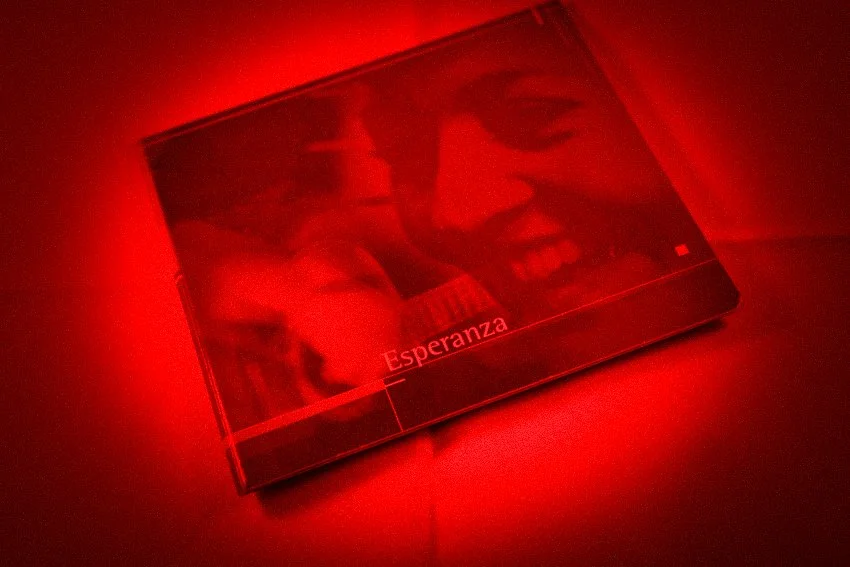
A year or so later I play the guitar on a CD of popular light classical music, including Gershwin’s "Summertime." When I walk into the studio, it turns out that the songs are recorded live. Every take is make or break. Stress guaranteed.
.
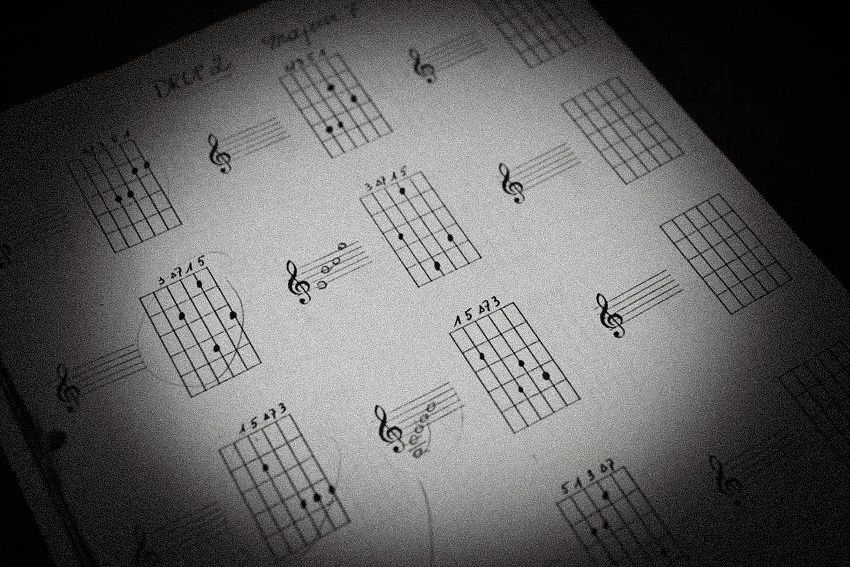
A little later, I decide to give “proper” music school a try. That is where I meet Gie, my guitar teacher. We enthuse over a shared love for Pat Metheny and other guitar legends. He understands what I need to grow as a musician and teaches me about chord construction and music theory. A world opens up, I finally make sense of everything I have been doing by instinct for years.
.
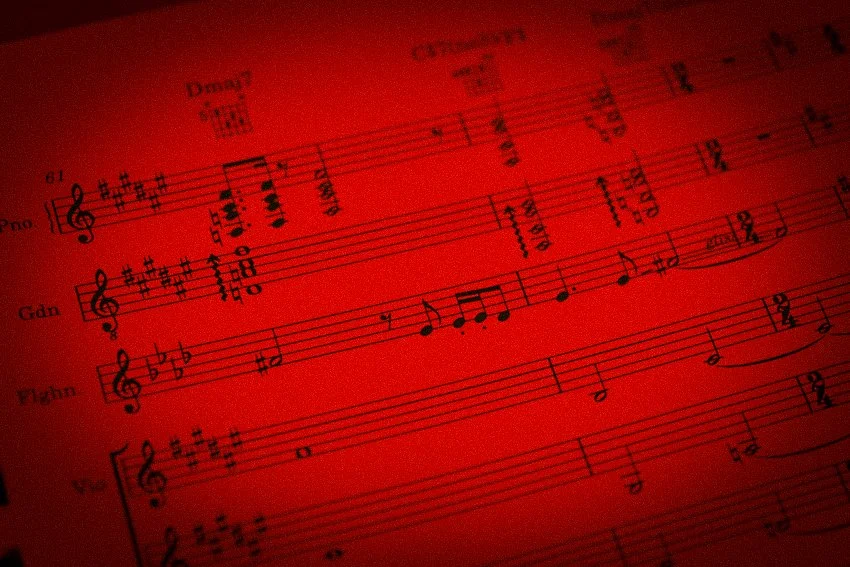
After a while, I timidly play Gie some of my home recorded compositions. He reacts enthusiastically. Armed with my new knowledge and software (Musescore rules!), I start creating proper scores and arrangements. Gie is my first sounding board and when he tells me about a professional, but affordable recording studio, I know it was time.
.
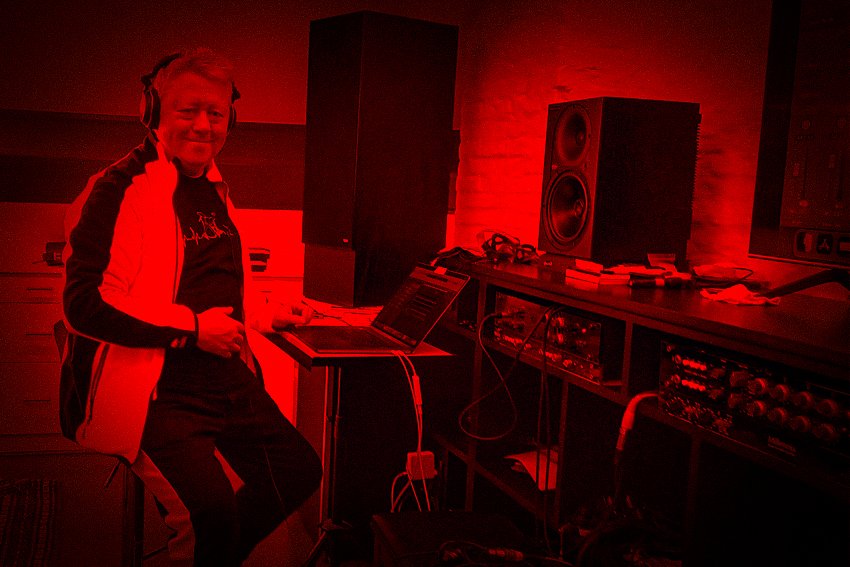
Gie introduces me to Patrick Peeters, owner of the recording studio Box A Beat. We hit it off right away and work out a schedule. The ball is finally rolling. Now I have to find the right musicians to bring my musical ideas to life. Project 11 Prime has officially started.